Why Generative AI Content Workflows Are Not a Silver Bullet
As generative AI technologies rapidly evolve, many organizations in the digital content production sector herald them as revolutionary. While these tools promise streamlined processes and enhanced creativity, it’s critical to examine the limitations of generative AI content workflows in addressing fundamental industry pain points. In this article, I will delve into why these workflows should be viewed with a discerning eye rather than adopted blindly.
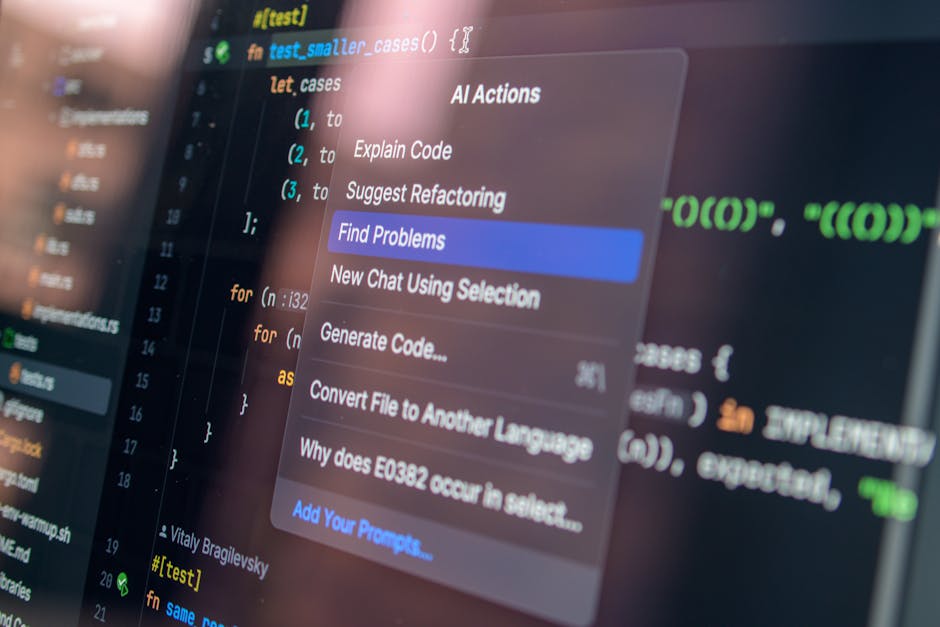
Although the promise of AI-driven solutions in content creation is tempting, many companies overlook crucial factors that determine the success of digital content. For instance, without effective content workflow management, introducing AI can lead to chaotic workflows rather than increased efficiency. Indeed, Generative AI Content Workflows are not a one-size-fits-all solution, and their integration requires thoughtful structuring to avoid jeopardizing brand consistency.
The Illusion of Instant Solutions
Many practitioners prematurely jump on the generative AI bandwagon without critically evaluating if their existing content processes are robust. Rushing to implement AI can exacerbate issues such as inefficient production cycles and inconsistent messaging. The reality is that without appropriate editorial governance, generative AI may produce content that detracts from a brand's voice and storytelling.
Overestimating AI Capabilities
Another common pitfall is overestimating the potential of generative AI in fully replacing traditional content creation roles. While AI can assist in aspects such as ideation and preliminary drafts, it lacks the nuanced understanding of audience emotional engagement. This is particularly important in content localization efforts, where cultural context plays a pivotal role.
Cognitive Insights Over Automation
In comparison, seasoned content creators bring invaluable perspectives that machine learning algorithms cannot replicate. For instance, an experienced marketer will understand the subtleties of captivating storytelling, something that AI tools like Canva or BuzzFeed's content generation features cannot adequately replace. Content repurposing requires a human touch to ensure relevance to an audience, which AI fails to achieve in many scenarios.
The Risk of User-Generated Content Overload
As organizations strive to incorporate user-generated content into their marketing strategies, the challenge multiplies when paired with AI. Managing large volumes of user-generated material can become overwhelming without a clear governance framework. Furthermore, AI may inadvertently amplify poor-quality content, undermining audience retention and engagement efforts.
As businesses explore upcoming platforms, I recommend optimizing AI capabilities, balancing automation with meaningful human interventions.
Conclusion
While generative AI holds significant promise for enhancing content workflows, it is not a panacea for the challenges faced by media organizations today. A thoughtful, strategic approach to AI-Driven Content Creation is essential to navigate the complexities of modern digital content production.


Comments
Post a Comment