AI Customer Experience in Private Equity: 2026-2030 Trends
The private equity landscape has always demanded excellence in stakeholder relationships—from limited partners expecting transparent quarterly updates to portfolio company management teams requiring strategic guidance. Yet as deal flow intensifies and regulatory scrutiny deepens across jurisdictions, the traditional approach to managing these critical touchpoints is reaching its operational limits. Firms managing billions in assets under management are discovering that AI Customer Experience represents not merely a technological upgrade, but a fundamental reimagining of how we serve LPs, support portfolio companies, and maintain competitive advantage in an increasingly crowded market.
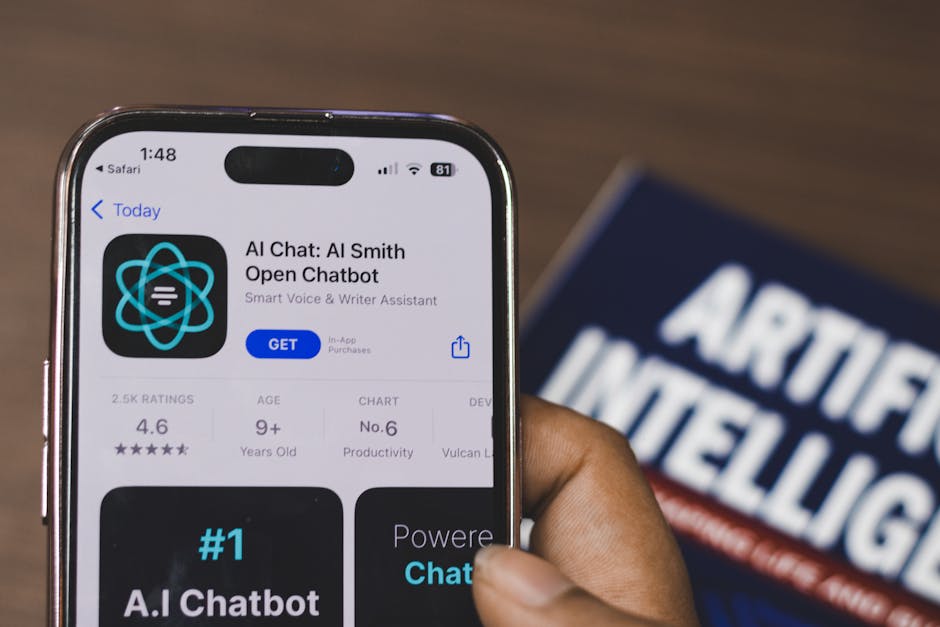
Over the next three to five years, the integration of AI Customer Experience capabilities will transform every dimension of stakeholder engagement in private equity. Leading firms like Blackstone and KKR are already experimenting with intelligent systems that anticipate LP inquiries, streamline capital call communications, and provide real-time performance analytics tailored to individual investor preferences. This shift addresses a persistent pain point: our traditional quarterly reporting cycles, no matter how polished, cannot match the immediacy and personalization that institutional investors now expect based on their experiences in other asset classes.
Predictive LP Engagement: Anticipating Investor Needs Before They Ask
By 2027, we can expect sophisticated AI systems to analyze historical communication patterns with limited partners, correlating inquiry timing with market events, portfolio milestones, and individual LP characteristics. This predictive capability will fundamentally change investor relations. Instead of waiting for an LP to request clarification on a valuation methodology or ask about ESG compliance in a specific portfolio holding, AI-powered platforms will proactively surface relevant information at precisely the moment an investor is likely to need it.
Consider the typical post-investment monitoring workflow. Today, when market volatility spikes—say, during a sector-specific downturn affecting three of our portfolio companies—we face an avalanche of LP inquiries. Each requires custom research, internal coordination between deal teams and portfolio management, and carefully crafted responses. Within the next 24-36 months, AI Customer Experience systems will monitor market signals, automatically identify affected holdings, generate impact analyses incorporating our proprietary valuation models, and prepare draft communications calibrated to each LP's historical concerns and communication preferences. The partner overseeing investor relations shifts from reactive firefighting to strategic oversight, reviewing AI-generated insights rather than building them from scratch.
Real-Time Portfolio Performance Interfaces
The next generation of LP portals will move far beyond static PDF reports. AI-driven interfaces will allow limited partners to query portfolio performance using natural language: "How are our healthcare investments performing relative to sector benchmarks?" or "Show me ESG risk trends across manufacturing portfolio companies." These systems will integrate data from deal documentation, portfolio company management reports, external market databases, and regulatory filings, synthesizing answers that would currently require hours of analyst time.
Transforming Due Diligence Through AI-Enhanced Stakeholder Communication
Due diligence represents perhaps the most communication-intensive phase of any transaction. Between initial LOI signing and closing, deal teams coordinate with dozens of stakeholders: target company management, legal advisors, accounting firms, industry consultants, and regulatory bodies. The volume of questions, document requests, and clarifications can easily overwhelm even the most organized dataroom. By 2028, AI Customer Experience platforms will revolutionize this process through intelligent orchestration.
Imagine a due diligence workflow where AI systems automatically categorize incoming questions by workstream—financial, legal, operational, technical—and route them to appropriate team members with relevant context from prior deals. When management provides responses, the system flags inconsistencies with earlier statements, identifies gaps requiring follow-up, and suggests additional areas to probe based on pattern recognition across thousands of historical transactions. For target company executives facing their first institutional private equity process, AI-powered guidance systems will provide real-time support, explaining what information is needed and why, reducing the friction that often delays deal timelines.
The development of advanced AI solutions for deal workflows will particularly impact cross-border transactions, where language barriers and regulatory complexity multiply communication challenges. Real-time translation capabilities that preserve legal and financial precision, combined with jurisdiction-specific regulatory guidance, will compress timelines and reduce misunderstandings that historically derail deals.
AI Due Diligence Communication Hubs
Forward-looking firms will implement centralized AI Due Diligence platforms that serve as single sources of truth throughout the transaction lifecycle. These hubs will maintain context across months-long processes, learning from each interaction to improve response quality and anticipate information needs. When a legal advisor uploads a contract for review, the system will automatically cross-reference terms against our standard LP agreements, flag deviations from market norms based on recent comparable transactions, and suggest negotiation strategies based on our historical success rates with various provisions.
Post-Acquisition Portfolio Company Support at Scale
Once a transaction closes, the nature of customer experience shifts to portfolio company management teams. These executives—often running their first private equity-backed business—require ongoing strategic guidance, operational support, and clear communication about expectations. As firms continue expanding portfolio company counts, providing high-touch support to each management team becomes mathematically impossible using traditional approaches. This is where AI Customer Experience delivers transformative value over the next five years.
By 2029, we can anticipate AI-powered management support platforms that provide portfolio company CEOs with on-demand access to institutional knowledge. When a portfolio company CFO faces a complex tax structuring question, instead of waiting for the next scheduled board meeting or trying to navigate our internal directory to find the right expert, an AI system immediately surfaces relevant guidance from similar situations across our portfolio history, connects them with appropriate specialists, and provides preliminary analysis to frame the conversation efficiently.
- 24/7 access to AI-powered guidance on operational challenges, drawing from aggregated portfolio company experiences while maintaining confidentiality
- Automated preparation of board materials, with AI systems drafting management presentations based on performance data, flagging items requiring board attention, and suggesting strategic discussion topics
- Intelligent benchmarking that continuously compares portfolio company metrics against peers, identifying performance gaps and suggesting proven improvement strategies from comparable situations
- Proactive risk alerts when AI systems detect early warning signals—declining customer concentration metrics, working capital trends suggesting cash flow stress, or employee sentiment indicators from HR systems
Regulatory Compliance Communication: Staying Ahead of Evolving Requirements
Regulatory compliance represents an accelerating challenge for private equity firms operating across multiple jurisdictions. New reporting requirements, ESG disclosure mandates, and data privacy regulations create complex communication obligations to regulators, LPs, and portfolio companies. Between now and 2030, AI Customer Experience systems will become essential tools for managing this complexity.
Advanced AI platforms will monitor regulatory developments across all jurisdictions where we operate, automatically assess implications for specific portfolio holdings, and generate required communications or disclosures. When new ESG reporting requirements take effect in the EU, for example, the system will identify affected portfolio companies, draft compliance checklists tailored to each company's industry and structure, and prepare investor communications explaining our approach—all without requiring partners to become experts in every nuanced regulatory change.
For portfolio companies, AI-powered compliance support will demystify increasingly complex requirements. Management teams will receive plain-language guidance on what's required, why it matters, and how to efficiently satisfy obligations. The system will learn from how different portfolio companies approach similar challenges, sharing anonymized best practices and identifying efficient service providers based on our aggregate experience.
Intelligent Regulatory Change Management
As regulatory landscapes shift, AI Customer Experience platforms will manage change communication across our entire ecosystem. When a new beneficial ownership reporting requirement affects our LP base, the system will identify impacted investors, generate customized notices explaining what information is needed and why, track responses, send appropriate follow-ups, and flag non-responses requiring partner attention—transforming what might currently require weeks of manual coordination into an automated workflow requiring only strategic oversight.
The Coming Integration: Unified AI Customer Experience Across All Stakeholder Groups
By 2030, the most sophisticated private equity firms will operate unified AI Customer Experience platforms that seamlessly serve all stakeholder groups—LPs, portfolio company management, advisors, and internal teams—through a single integrated system. This integration creates powerful network effects. When an LP asks about a specific portfolio company's ESG initiatives, the AI system draws directly from that company's management reporting, cross-references against our firm's ESG policies, and incorporates relevant market benchmark data, providing a comprehensive response that would currently require coordination across multiple teams.
These unified platforms will maintain continuous context about every relationship and transaction. When we begin due diligence on a potential add-on acquisition for an existing portfolio company, the system immediately surfaces relevant context: how this management team typically responds to transaction stress, which advisors have successfully supported similar deals, what diligence issues arose in the original acquisition, and which LPs have expressed particular interest in this sector. This institutional memory, accessible instantly and intelligently applied, will become a significant competitive advantage in winning competitive deals and managing complex portfolios.
Investment Thesis Development Enhanced by Stakeholder Insight
Looking toward 2030, AI Customer Experience systems will begin feeding back into front-end investment processes. By analyzing patterns in LP inquiries, portfolio company challenges, and post-acquisition performance across hundreds of deals, these platforms will identify systematic insights that inform investment thesis development. If AI analysis reveals that LPs consistently express concerns about a particular sector's regulatory exposure, or that portfolio companies in certain industries systematically struggle with specific operational challenges, these patterns become valuable inputs for deal team evaluation of new opportunities.
This creates a virtuous cycle where better stakeholder communication generates better investment decisions, which in turn makes stakeholder communication easier because we're delivering superior returns. The firms that successfully implement this integrated approach over the next five years will establish advantages that are difficult for competitors to replicate, as the AI systems become increasingly sophisticated through continuous learning from firm-specific interactions and outcomes.
Preparing for the AI Customer Experience Transformation
The trajectory toward AI-enhanced stakeholder engagement is clear, but successful implementation requires thoughtful preparation. Firms should begin by identifying the highest-value, highest-volume communication workflows—typically LP reporting, portfolio company board preparation, and due diligence coordination—and piloting AI capabilities in these areas. Early experiments will reveal which AI Customer Experience approaches deliver immediate value and which require further development or customization to our specific needs.
Data infrastructure represents a critical foundation. AI systems require access to structured historical data: past LP communications, deal documentation, portfolio company performance metrics, and transaction outcomes. Firms should prioritize digitizing and structuring this information, creating the datasets that will train increasingly sophisticated AI models tailored to our unique portfolio and investor base. This is not merely a technology project; it requires close collaboration between investment professionals who understand the strategic context and technology teams who can architect appropriate systems.
Cultural adaptation matters as much as technology. Partners and principals must shift from personally handling every stakeholder interaction to strategically overseeing AI-augmented processes. This transition requires building trust in AI-generated outputs through transparent testing, maintaining appropriate human review for high-stakes communications, and continuously improving systems based on professional judgment about what works and what doesn't.
Conclusion
The next five years will witness a fundamental transformation in how private equity firms engage with every stakeholder group. AI Customer Experience technologies will shift us from reactive, labor-intensive communication models to proactive, scalable engagement that maintains the high-touch relationships our business demands while dramatically improving efficiency and consistency. Firms that successfully navigate this transition will deliver superior LP experiences, provide better portfolio company support, execute faster due diligence, and maintain easier regulatory compliance—all while reducing the operational burden on investment professionals. As we look toward this future, the strategic question is not whether to embrace these capabilities, but how quickly we can thoughtfully implement them to serve our stakeholders better and maintain competitive advantage. For firms seeking to lead rather than follow in this transformation, exploring comprehensive Private Equity AI Solutions represents an essential strategic priority for 2026 and beyond.


Comments
Post a Comment