Harnessing AI for Supply Chain Excellence: A Case Study
Artificial intelligence continues to revolutionize supply chain management, exemplified by companies that have successfully integrated AI technologies into their logistics. This case study delves into how a leading global retailer optimized its supply chain through AI Supply Chain Management, achieving tangible results.
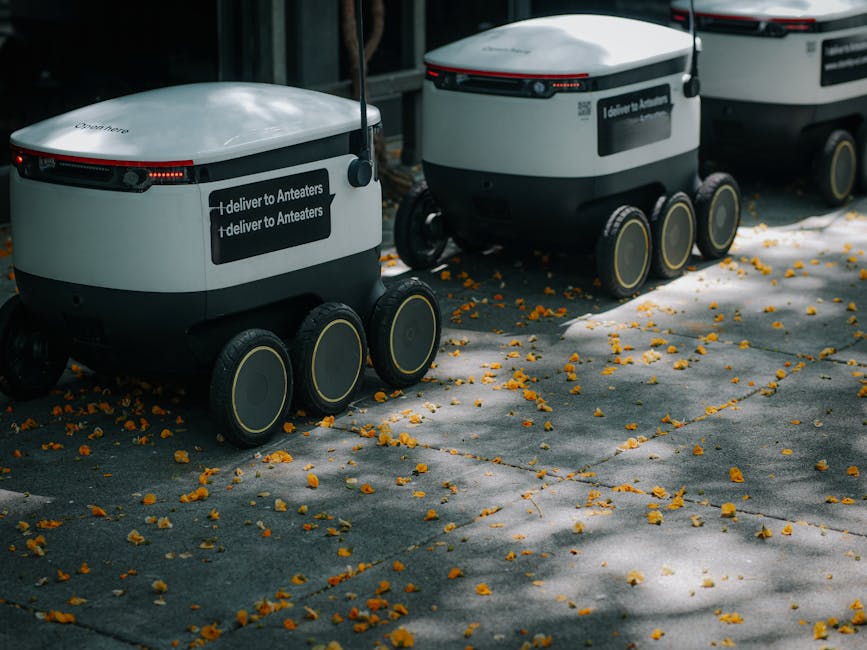
The case study focuses on RetailCorp, a massive international retailer known for its high volume of diverse products and competitive pricing. By utilizing a strategic approach to AI Supply Chain Management, RetailCorp was able to enhance efficiency and cut costs significantly, demonstrating the potential of AI-driven logistics.
About RetailCorp
RetailCorp operates in over 50 countries and caters to millions of customers typifying a complex supply chain involving numerous suppliers, warehouses, and distribution channels. The primary objective was to streamline operations to meet growing customer demands while maintaining profit margins.
Challenges Faced
RetailCorp faced several challenges, including:
- High inventory costs due to poor forecasting.
- Supply chain disruptions that led to inventory stockouts.
- Inconsistent order fulfillment affects customer satisfaction.
AI Implementation Strategy
To address these challenges, RetailCorp implemented an AI-powered demand forecasting system that leveraged historical sales data, seasonal trends, and real-time market analytics. The deployment of machine learning algorithms helped refine predictions, leading to more accurate inventory control.
Additionally, they adopted an AI-driven logistics optimization tool that enabled real-time tracking of shipments, allowing the company to foresee potential disruptions and proactively adjust routes, thereby minimizing delays.
Results Achieved
Within the first year of implementing the AI solutions, RetailCorp reported remarkable improvements:
- 30% reduction in inventory carrying costs.
- 25% increase in on-time deliveries.
- 20% boost in overall customer satisfaction scores.
Lessons Learned
The case of RetailCorp illustrates several key lessons for organizations looking to embrace AI in supply chain management:
- Invest in high-quality data collection systems to enhance forecasting accuracy.
- Involve frontline employees in the integration process to facilitate acceptance and adaptation.
- Continuously assess outcomes and refine strategies based on insights.
Conclusion
RetailCorp's successful journey into AI Supply Chain Management serves as a compelling reminder of the transformative power of AI in logistics and supply chain optimization. As organizations look to enhance their operations, incorporating Intelligent Automation can further drive innovation and efficiency within their supply chains.


Comments
Post a Comment