A Case Study on Intelligent Automation: Transforming Inventory Precision
Intelligent Automation has emerged as a cornerstone for enhancing operational efficiency across industries, particularly within supply chain management. Through strategic implementation, companies can achieve significant improvements in inventory precision and overall productivity. This article presents a detailed case study of Company X, which successfully integrated automation technologies into its inventory management process.
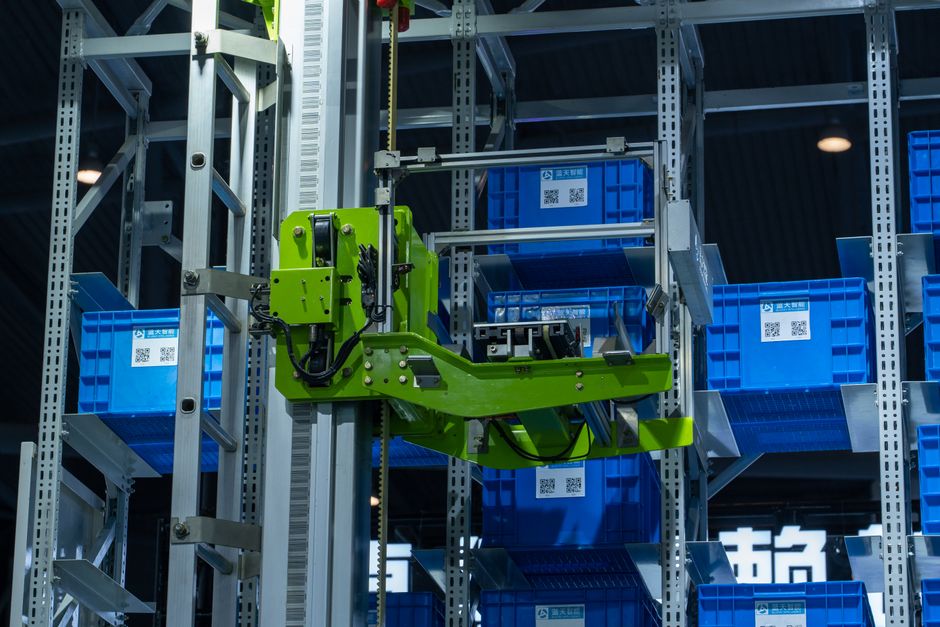
By delving into the challenges faced, solutions adopted, and outcomes achieved, we can glean valuable insights into how Intelligent Automation can effectively elevate operations for modern enterprises.
Background on Company X
Company X, a global distributor of consumer goods, faced persistent challenges with inventory management. Frequent inaccuracies in stock levels led to overstock situations, increased carrying costs, and customer dissatisfaction due to stockouts. Recognizing the need for change, the management decided to implement automated inventory solutions.
Identifying Key Problems
Prior to adopting Intelligent Automation, Company X grappled with several critical issues:
- Inconsistent data entry processes creating inaccuracies.
- Lack of real-time visibility into inventory levels.
- High manual effort required for stock reordering.
These challenges underscored the urgent need for a technological overhaul to streamline operations and enhance efficiency.
The Automation Solution
The implementation of Intelligent Automation involved deploying an advanced automated inventory system with integrated data analytics. The objectives were clear: to ensure real-time tracking of inventory levels and enable smart replenishment based on analytics-driven insights.
After a thorough vendor evaluation, Company X selected a solution that combined machine learning algorithms with RFID technology. This initiative was aligned with the firm’s strategic goals, empowering them to automate routine tasks, minimize errors, and optimize inventory turnover.
Key Metrics and Outcomes
Post-implementation analysis revealed remarkable results. Company X achieved a 30% reduction in inventory holding costs within the first six months. The accuracy of inventory records improved from 75% to 95%, significantly reducing stockouts and backorders. Additionally, the automated reordering process shortened response times, enabling the company to fulfill customer orders more swiftly.
Furthermore, employee productivity soared, as staff were freed from mundane data entry tasks, allowing them to focus on higher-value activities such as customer service and strategic planning. The transition not only improved workflow efficiency but also boosted employee morale.
Lessons Learned
Several lessons emerged from Company X's experience with Intelligent Automation:
- Start with a comprehensive assessment of current processes to identify automation opportunities.
- Invest in training to prepare personnel for system changes, as user adoption is critical.
- Continuously monitor and adapt your automation strategies based on performance data.
These lessons emphasize the importance of strategic planning and employee engagement in the automation journey.
Conclusion
In summary, Company X's successful integration of Intelligent Automation serves as a testament to the potential benefits of modernizing inventory management practices. Through their commitment to innovation and operational excellence, they have not only optimized their inventory precision but also redefined their supply chain efficiency. To learn more about how these technologies are shaping the future, explore AI Inventory Management and its role in transforming businesses.


Comments
Post a Comment